Belsize Village furniture clearance and rubbish removal
Posted on 10/08/2026
Belsize Village furniture clearance and rubbish removal: a practical local guide
If you are clearing out a flat, refreshing a home, or dealing with a pile of awkward items after a move, Belsize Village furniture clearance and rubbish removal can save a lot of time, stress, and backache. The reality is simple: old sofas, wardrobes, broken tables, and mixed household waste rarely leave quietly on their own. They need a plan. They need lifting. And, to be fair, they often need a bit more care than people expect.
This guide explains how furniture clearance works in Belsize Village, when it makes sense, what to look out for, and how to avoid the common mistakes that turn a quick tidy-up into a drawn-out headache. If you are also dealing with wider waste, it helps to understand the difference between one-off item removal and broader rubbish collection in Belsize Park NW3, especially when you are clearing several rooms at once.
We will also cover practical planning, local considerations, recycling-minded disposal, and a few real-world scenarios that come up again and again in Belsize Village homes. Let's get straight into it.
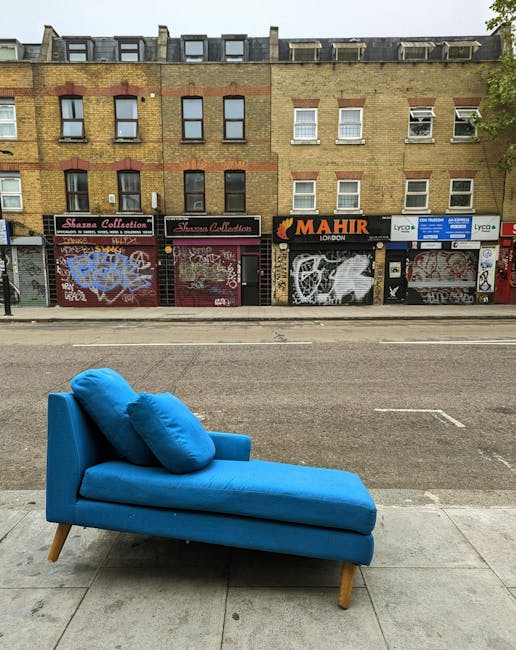
Why Belsize Village furniture clearance and rubbish removal Matters
Belsize Village has the kind of homes where furniture can look elegant one moment and completely overwhelming the next. Narrow staircases, shared entrances, basement flats, period layouts, and parking restrictions all affect how clearance needs to be handled. That is why furniture removal in this area is not just a matter of "taking some stuff away". It is a logistics job, a safety job, and often a timing job too.
Old furniture also tends to be heavier and more awkward than it first appears. A dining table that looked manageable in the lounge suddenly becomes a wrestling match at the landing. A wardrobe that seemed straightforward may need to be dismantled before it can move at all. This is where careful rubbish removal becomes useful, because it turns a messy, physical task into a controlled one.
There is another side to it as well. A lot of people in the area are moving, renovating, or reconfiguring a home to suit modern living. You may be replacing furniture, clearing after tenants, or finally tackling the cupboard room that has been quietly collecting "things to sort later" for years. We have all seen that room. It grows in the dark.
Good clearance matters because it helps you create space without creating a second problem. Done well, it keeps hallways clear, reduces injury risk, improves recycling outcomes, and helps you move on with the day instead of spending it dragging items down the street. If the work is part of a larger property change, the article on home purchase and sale in Belsize Park is also useful for understanding how clearance fits into the broader move process.
Expert summary: The best furniture clearance is rarely the fastest-looking one at the start. It is the one that is planned properly, lifted safely, and sorted sensibly so you are not left with extra costs, missed items, or avoidable disruption.
How Belsize Village furniture clearance and rubbish removal Works
In practice, the process is usually simpler than people expect. The main difference between a smooth job and a stressful one is preparation. A solid clearance service will typically start with identifying what needs to go, what can be reused or recycled, and what requires special handling. From there, the team plans access, loading, and disposal.
For a small job, you might only be removing a sofa, a bed frame, and a few bags of mixed household waste. For a larger property, it could mean clearing several rooms, removing bulky items from upper floors, and separating furniture from general rubbish, electricals, and other items. That split matters. It helps ensure the load is handled correctly and avoids dumping everything into one category because, frankly, that is where messy mistakes start.
In a Belsize Village setting, access is often the part people underestimate. Is there a lift? Can the item fit through the stairwell? Will furniture need to be disassembled in the property? Is there a time window when loading can happen without blocking neighbours or creating a fuss? These are the practical questions that shape the job.
Clearance and rubbish removal also tend to sit alongside other services. For example, a household spring clean may lead to a bit of garden tidying, office storage reduction, or a small renovation. In those cases, it can be useful to look at related services such as furniture disposal in Belsize Park or even broader waste collection in Belsize Park depending on the type of material involved.
Typical stages of the process
- Assessment: identify furniture, rubbish, access, and any awkward items.
- Planning: decide whether items need dismantling, whether parking or loading space is needed, and what can be reused or recycled.
- Removal: move items out safely, usually room by room, without damaging walls or floors.
- Sorting: separate reusable, recyclable, and disposal-only items.
- Transport and processing: take the load to an appropriate facility or transfer route.
That is the basic flow. Straightforward, but not always simple. The tricky bit is the detail.
Key Benefits and Practical Advantages
The most obvious benefit is speed. A professional clearance can do in an hour what might otherwise take you an entire weekend, two sore shoulders, and a minor argument about who is holding the wrong end of the sofa. But speed is only part of it.
Here are the main advantages:
- Less physical strain: heavy lifting is where accidents happen, especially with large wardrobes, bookcases, and mattresses.
- Cleaner handover: if you are moving out or preparing a property for sale, a cleared space looks more presentable immediately.
- Better use of space: removing one bulky item can genuinely change how a room feels.
- Improved recycling opportunities: some items can be separated for reuse or materials recovery rather than being treated as mixed waste.
- Reduced stress: knowing the job will be handled in one coordinated visit is a relief, plain and simple.
There is also a less obvious benefit: better judgement. When a team is experienced, they can spot which items are worth dismantling, which should stay intact, and which require a different approach. That saves time and can prevent damage to the property. You do not want to discover, halfway down the stairs, that a wardrobe is still attached to the wall by one stubborn bracket. It happens.
For commercial and mixed-use premises, the same logic applies. A clear-out in a small office, for instance, may need furniture clearance, archive removal, and some general waste handling. That is where it can help to look at office clearance in Belsize Park alongside domestic removal. Different environment, same need for planning.
Who This Is For and When It Makes Sense
This service is useful for a wide range of people, but the reasons vary.
You may need Belsize Village furniture clearance and rubbish removal if you are:
- moving home and need to strip out old furniture quickly
- preparing a rental property for new tenants
- decluttering after years of accumulated belongings
- upgrading a room and replacing large items
- clearing a flat after a renovation or refurbishment
- dealing with inherited furniture or a partial house clearance
- running a small business that has obsolete desks, chairs, or storage units
It also makes sense when the items involved are simply too large, too awkward, or too many for standard council collection arrangements. In Belsize Village, that is not unusual. A lot of properties have access constraints, and bulky items often need more careful handling than people assume.
If you are unsure whether your job is furniture disposal, general rubbish removal, or something more comprehensive, it usually helps to think in terms of volume and type. One broken chair? Probably a simple disposal. A full lounge set, multiple mattresses, and bags of mixed clutter? That is a clearance job. A whole flat? You may be looking at a broader house clearance.
For readers comparing service types, this can be useful alongside the wider services overview, especially if the job includes more than one category of waste.
Step-by-Step Guidance
If you want the job to feel controlled rather than chaotic, follow a simple sequence. Nothing fancy. Just sensible.
1. Walk through the property first
Look at every room and identify what needs to go. Be strict. It is easy to miss items tucked behind doors, under beds, or in the spare room that only exists in theory. Make a rough list of furniture, mixed rubbish, and any items you are still deciding about.
2. Separate the obvious categories
Group items into furniture, general rubbish, electrical items, and anything that may need special handling. Do not worry if the pile looks unglamorous. Most clearance jobs do. The point is to make the load easier to manage.
3. Measure access points
Check door widths, stairs, landings, lift size, and any awkward turns. If a sofa looked fine in the room but clearly will not fit down the stairs, you want to know that before collection day, not after the first scrape against the wall.
4. Decide what can be dismantled
Flat-pack furniture, beds, and wardrobes often move better in pieces. Keep fixings together in a labelled bag if you think there is a chance the item might be reused. If not, keep the dismantling simple and safe.
5. Confirm the disposal route
Good clearance practice means understanding what will happen to the items once they leave the property. Some can be recycled, some can be reused, and some must be disposed of as residual waste. If sustainability matters to you, ask about the sorting process and the approach to recycling. Our recycling and sustainability page sets out the general approach in more detail.
6. Prepare the space
Clear hallways, remove fragile objects from shelves, and protect floors if necessary. Even the most careful team appreciates a tidy route. It saves time and reduces the chance of scuffs.
7. Make final decisions before loading begins
This is a small but important point. Once loading starts, decision fatigue kicks in. If you are unsure about an item, decide before the team arrives. Otherwise you end up standing in the doorway saying, "Actually, maybe keep that chair?" and the whole rhythm slows down.
Expert Tips for Better Results
A few practical tricks can make the whole process smoother. Nothing dramatic, just good habits.
- Photograph bulky items in advance. It helps with quoting, planning, and confirming access.
- Label keep, donate, and remove piles. Even a simple handwritten note helps when the property is busy.
- Take cushions, drawers, and loose parts out of furniture first. This reduces weight and makes lifting easier.
- Tell the team about parking or loading restrictions early. In a place like Belsize Village, access details matter a lot more than people think.
- Be realistic about condition. Some items look usable but are not worth moving if they are damaged beyond practical reuse.
- Ask about insurance and handling procedures. A professional provider should be able to explain how they protect property and manage risk.
One small local observation: in older London homes, the awkward bit is often not the item itself but the route out. A narrow stair, a tight corner, or a front garden with limited turning space can change the whole job. It is the sort of thing you only notice once you are carrying a mattress and regretting every decision you have ever made. Better to plan early.
If you want to understand how a provider approaches safety and care, it is worth reviewing their insurance and safety information before booking.
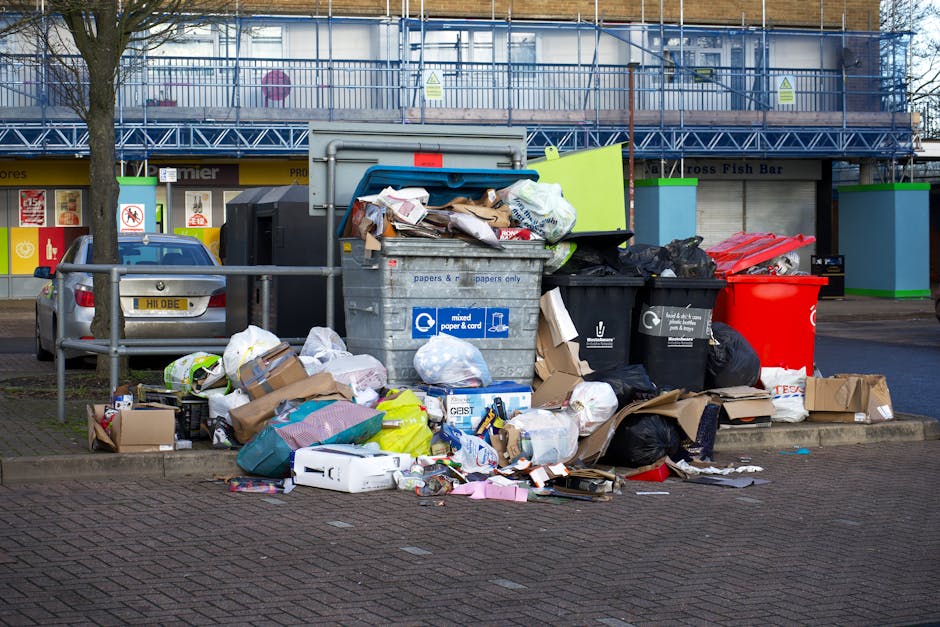
Common Mistakes to Avoid
Most clearance problems are predictable. That is the annoying part. The good news is that they are also avoidable.
- Underestimating volume: a "few items" can become a van-load very quickly.
- Forgetting access issues: stairs, lifts, parking, and front-door width all matter.
- Mixing everything together: furniture, electrical items, and rubbish may need to be handled separately.
- Leaving sorting until the last minute: that is how keepers get cleared by mistake.
- Choosing purely on price: the cheapest option can become expensive if the job is incomplete or poorly managed.
- Not checking what is included: lifting, dismantling, loading, and disposal should be clearly understood.
Another common issue is assuming all clearance is the same. It is not. A sofa removal, a partial flat clearance, and a post-renovation waste job all require different handling. They may overlap, yes, but the practical decisions are different.
That is where a clear service explanation helps. If you are comparing options, the page on pricing and quotes is a useful starting point because it helps you think in terms of job size and scope rather than guesswork.
Tools, Resources and Recommendations
You do not need specialist equipment for every clearance, but a few basic tools and habits help a lot.
| Tool or resource | Why it helps | Best use case |
|---|---|---|
| Measuring tape | Checks whether furniture will fit through access points | Large items, tight staircases, basement flats |
| Strong bags or boxes | Keeps loose rubbish together and easier to handle | Mixed household waste, drawer contents, small clutter |
| Label stickers or marker pen | Helps sort keep, donate, and remove items | Move day prep, decluttering projects |
| Basic screwdriver or Allen key set | Useful for dismantling beds and flat-pack furniture | Wardrobes, desks, shelving, bed frames |
| Floor protection | Reduces the chance of scratches and scuffs | Period properties, freshly decorated homes |
From a planning perspective, the most useful resource is simply a clean, honest room-by-room inventory. It sounds boring. It is not. It is what keeps a clearance job efficient.
For people combining clearance with broader building or garden work, related services may be relevant too. For instance, a refurbishment can leave behind offcuts and packaging, which is where builders waste disposal in Belsize Park can fit in. Likewise, if you are clearing an outdoor area as part of a property refresh, garden waste removal in Belsize Park may be the better match.
Law, Compliance, Standards and Best Practice
Any legitimate waste removal and furniture clearance service should handle waste responsibly and in line with accepted UK practice. You do not need to become a legal expert, but it is sensible to understand the basics.
Key best-practice points include:
- using a service that can explain how items are sorted and processed
- avoiding fly-tipping or any vague "we'll just take it away" promises
- separating reusable items where possible
- handling waste and bulky items with appropriate care
- being clear about what is included before work begins
If the job involves someone else entering your home or premises, trust and accountability matter. That is why clear terms, clear communication, and a named service process are useful. The same goes for payment transparency and privacy. If you want to understand how a provider handles customer information and transactions, their payment and security and privacy policy pages are relevant reading.
There is also a broader ethical side. Good waste services should aim to reduce unnecessary landfill, avoid wasteful disposal, and work with recycling routes where practical. Not every item can be reused, of course, but the default should still be sensible handling rather than blind disposal. That is just decent practice, really.
For anyone wanting a fuller sense of the company behind the service, the about us page and the terms and conditions page are worth reviewing before booking. Straightforward, but useful.
Options, Methods and Comparison Table
There is more than one way to clear furniture and rubbish, and the best option depends on time, volume, and access. Here is a practical comparison.
| Method | Best for | Pros | Limitations |
|---|---|---|---|
| Self-clearance | Very small loads, a few light items | Low direct cost, full control | Time-consuming, physically demanding, parking and transport hassles |
| Man-and-van style removal | Single items or modest loads | Quick, flexible, suitable for busy households | May not suit large clearances or difficult access without planning |
| Full furniture clearance | Multiple bulky items or room clear-outs | Efficient, less stress, usually better for heavier jobs | Needs clearer coordination and a more detailed brief |
| House clearance | Whole-property or multi-room projects | Comprehensive, good for moving or estate situations | More planning required, not just a few items |
There is no single "best" method. If you only have one small chair, self-clearance may be enough. If you have three wardrobes, two beds, and a stack of mixed rubbish after a move, a more structured service is usually the sensible choice. No prize for doing it the hard way, after all.
For a broader property clear-out, house clearance in Belsize Park is often the more appropriate comparison point than simple item disposal. And if you are just looking for a local update on nearby waste services, the article on waste removal services near Belsize Park Tube NW3 gives a useful local angle.
Case Study or Real-World Example
Imagine a typical Belsize Village two-bedroom flat on a Friday morning. The owner is moving out over the weekend, the living room contains an old sofa, a coffee table, and a bookcase that has seen better days, while the second bedroom has become a storage space for boxes, broken lamp bases, and a mattress waiting for a decision.
At first glance, it looks like "a bit of rubbish". Then the details appear. The sofa is too wide for the turning point at the top of the stairs. The bookcase needs dismantling. A few items are in decent condition and should not be thrown away with the rest. The mattress needs separate handling. The hallway is narrow. And parking outside is tight because, well, it usually is.
The sensible approach is simple:
- identify which pieces are going
- measure the awkward items
- remove loose contents first
- disassemble what can be safely taken apart
- protect the walls and floor in the route out
- load the items in an organised order so the biggest pieces do not block everything else
What changes the outcome is not magic. It is structure. The job moves faster, the property stays cleaner, and the final room feels genuinely ready for its next purpose. That moment when a cluttered room suddenly looks bigger? Very satisfying. A little victory, but still a victory.
Practical Checklist
Use this checklist before booking or starting a clearance:
- Have you listed all furniture and rubbish items that need removal?
- Have you checked whether any items can be reused, donated, or recycled?
- Have you measured the largest items and the route out?
- Do you know whether any items need dismantling?
- Have you cleared hallways and protected fragile areas?
- Do you know whether parking or access arrangements are needed?
- Have you separated electricals, sharp items, or anything unusual?
- Have you confirmed what is included in the service?
- Are you comfortable with the provider's safety, payment, and policy information?
- Have you made your keep-or-remove decisions before the day of the job?
If you can tick most of those off, you are already ahead of the curve.
Conclusion
Belsize Village furniture clearance and rubbish removal is really about making a property lighter, safer, and easier to use again. Whether you are moving, renovating, decluttering, or managing a bigger clear-out, the best results come from planning, honest sorting, and careful handling. That is especially true in homes where access is tight and bulky furniture is never quite as simple as it looks.
Take a measured approach, ask the right questions, and focus on what needs to happen next rather than trying to do everything at once. It makes the whole process calmer. And calmer is good.
Get a free quote today and see how much you can save.
If you are still weighing up your options, it may also help to read more about local living and moving considerations in living in Belsize Park: pros and cons and your guide to Belsize Park property buying. Those small context pieces often make the clearance decision feel much easier.

 Tipper Van - Waste Collection and Commercial Clearance Prices in Belsize Park, NW3
 Luton Van - Waste Collection and Commercial Clearance Prices in Belsize Park, NW3


